
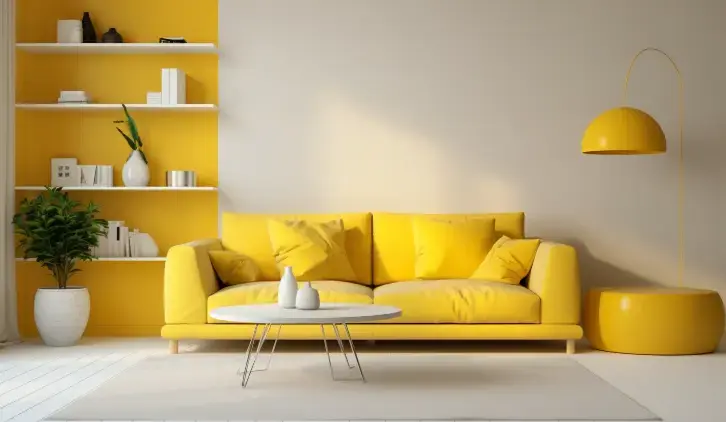
A living room does not need designer furniture or an enormous renovation budget to look expensive. In many cases, the difference comes from proportions, lighting, furniture placement, materials, and a few details that make the entire room feel more intentional.
Instead of buying everything new, focus on the elements that have the biggest visual impact. A few thoughtful changes can make even a simple living room look more polished, comfortable, and sophisticated.
Choose a Larger Rug
A rug that looks too small can make the entire living room feel disconnected. Ideally, choose a rug large enough to sit underneath at least the front legs of your sofa and surrounding chairs. This creates a defined seating area and makes the furniture arrangement look more intentional. If replacing your rug is not an option, experiment with furniture placement to create better proportions. A properly sized rug can make a surprisingly large difference without requiring any other major changes.
Hang Curtains Higher
Curtains can completely change how you perceive the height of a room. Instead of installing the curtain rod directly above the window frame, place it closer to the ceiling when the room allows it. Choose curtains that extend toward the floor rather than stopping awkwardly below the window. This simple visual trick draws the eye upward and can make windows appear larger. Full-length curtains also tend to create a more finished appearance than short panels in living spaces.
Improve the Lighting
Relying on one bright ceiling fixture can make a living room feel flat and uncomfortable. Combine several light sources instead. A floor lamp near the sofa, a table lamp on a console, and softer ambient lighting can create depth throughout the room. Pay attention to the size of your fixtures as well. A tiny lamp on a large sideboard can look out of proportion. Choosing appropriately sized lighting helps the room feel deliberate rather than randomly decorated.
Reduce Visual Clutter
Expensive-looking interiors often have one thing in common: every visible object appears to have a purpose. You do not need to embrace extreme minimalism, but removing unnecessary clutter can immediately improve the room. Clear crowded surfaces, organize cables, and avoid filling every shelf with small decorative objects. Leave some empty space around books, artwork, lamps, and accessories. Giving individual pieces room to stand out can make inexpensive decor look much more sophisticated.
Use Fewer but Larger Decorative Pieces
Many small decorations can make a living room look busy, especially when they compete for attention. Try replacing groups of tiny accessories with a few larger pieces. One substantial vase, framed artwork, oversized mirror, or decorative bowl can create a stronger visual focal point than numerous unrelated objects. You can apply the same idea to wall decor. Larger artwork often creates a cleaner and more intentional effect than several small pieces scattered across a large wall.
Mix Textures Instead of Matching Everything
A sophisticated living room rarely relies on one material or texture. Combine different surfaces such as wood, glass, metal, linen, wool, or textured upholstery to add depth. You can introduce these elements through cushions, throws, curtains, furniture, and decorative objects without replacing the major pieces you already own. Avoid trying to make every item match perfectly. A carefully coordinated mix often creates a more interesting and collected appearance than buying an entire matching furniture set.
Pay Attention to Furniture Placement
Pushing every piece of furniture against the walls does not always make a living room feel larger. When space allows, pull the sofa or chairs slightly away from the walls and create a defined conversation area. Make sure people can move comfortably through the room without navigating around furniture. Also consider scale: an oversized sectional can overwhelm a small room, while tiny furniture may look lost in a large one. Balanced proportions can make inexpensive furniture look considerably better.
Final Thoughts
Making a living room look expensive has less to do with the price of individual items than with how everything works together. Start with good proportions, improve your lighting, reduce clutter, and reconsider furniture placement before buying new decor. Small changes such as larger artwork, longer curtains, and better styling can give the entire room a more polished appearance without requiring an expensive makeover.
FAQ
What makes a living room look expensive?
Good proportions, layered lighting, full-length curtains, appropriately sized rugs, limited clutter, and carefully chosen decorative pieces can create a more sophisticated appearance regardless of the decorating budget.
How can I make my living room look expensive on a budget?
Start by rearranging furniture and removing clutter. Then focus your budget on high-impact changes such as curtains, lighting, cushions, a larger rug, or one substantial piece of wall art.
What makes a living room look cheap?
Furniture that does not fit the room, undersized rugs, excessive clutter, poor lighting, short curtains, and too many unrelated decorative items can make a space feel less cohesive.
Should all living room furniture match?
No. Furniture does not need to come from the same collection. Mixing complementary materials, shapes, and textures can give a living room more character while still maintaining a cohesive overall design.
Picture Credit: Magnific